Styles · 5 min read
Solitaire, halo, trilogy, rivière: the language of jewellery
Four words you will read on every product page, each describing how the stones are arranged. Recognising them is already knowing what you are looking for.
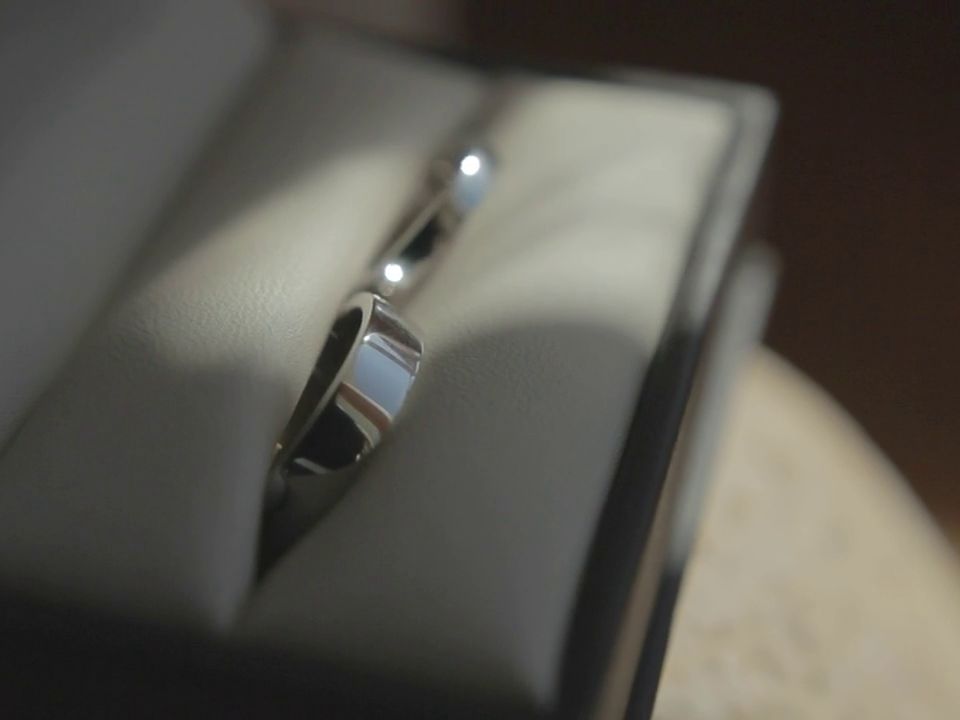
A piece of jewellery is described first by the way its stones are arranged. Four words come up again and again; they denote neither a quality nor a price, only an architecture.
The solitaire
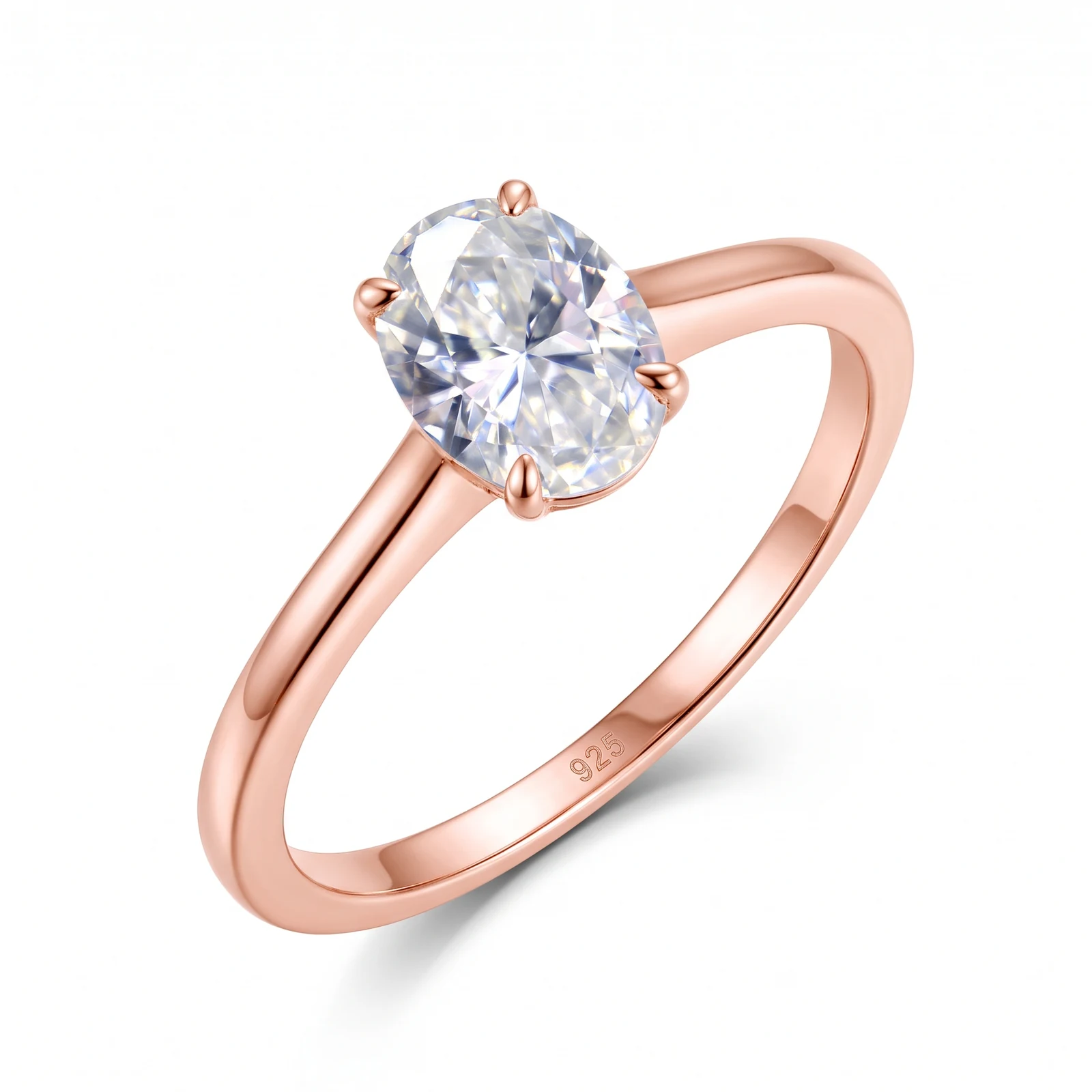
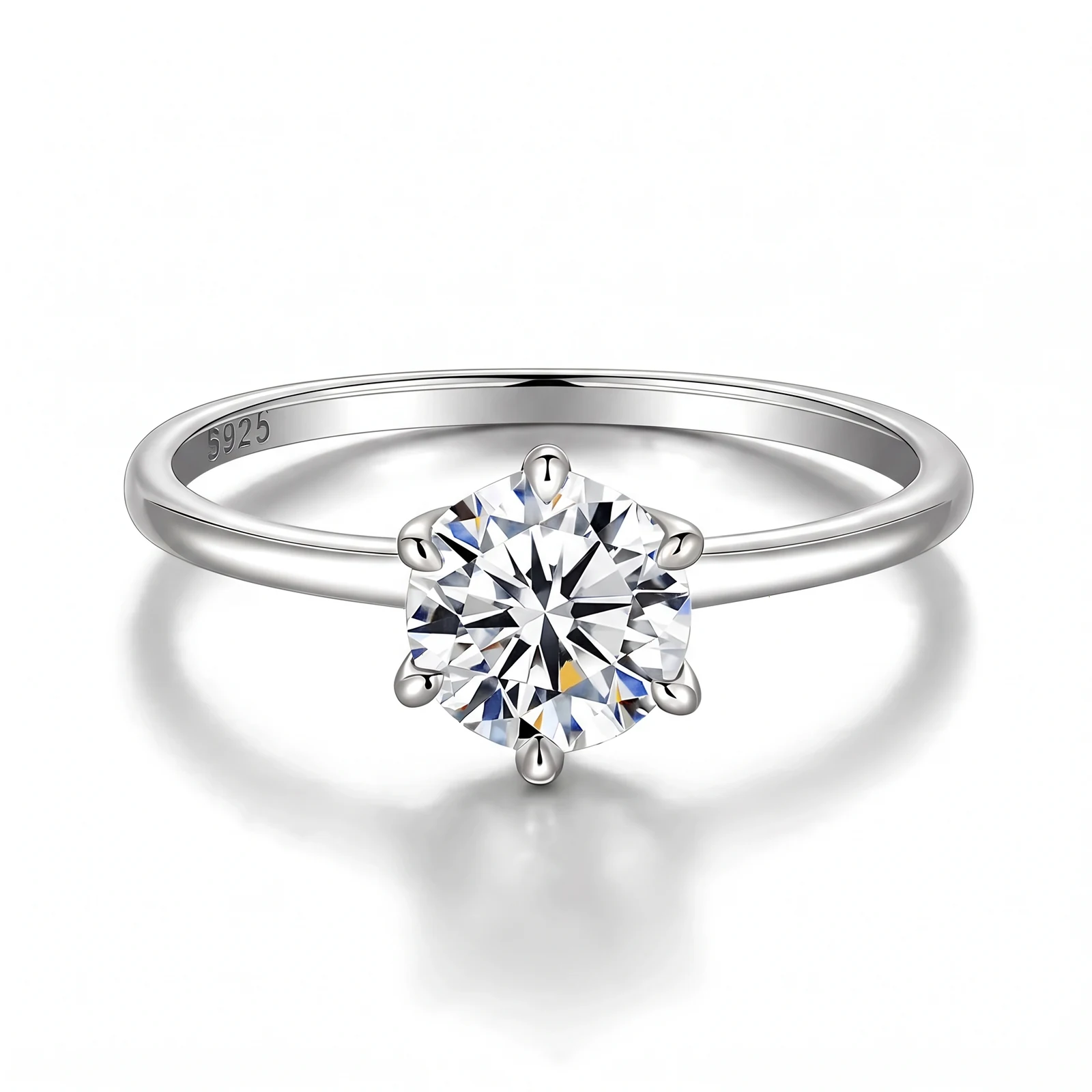
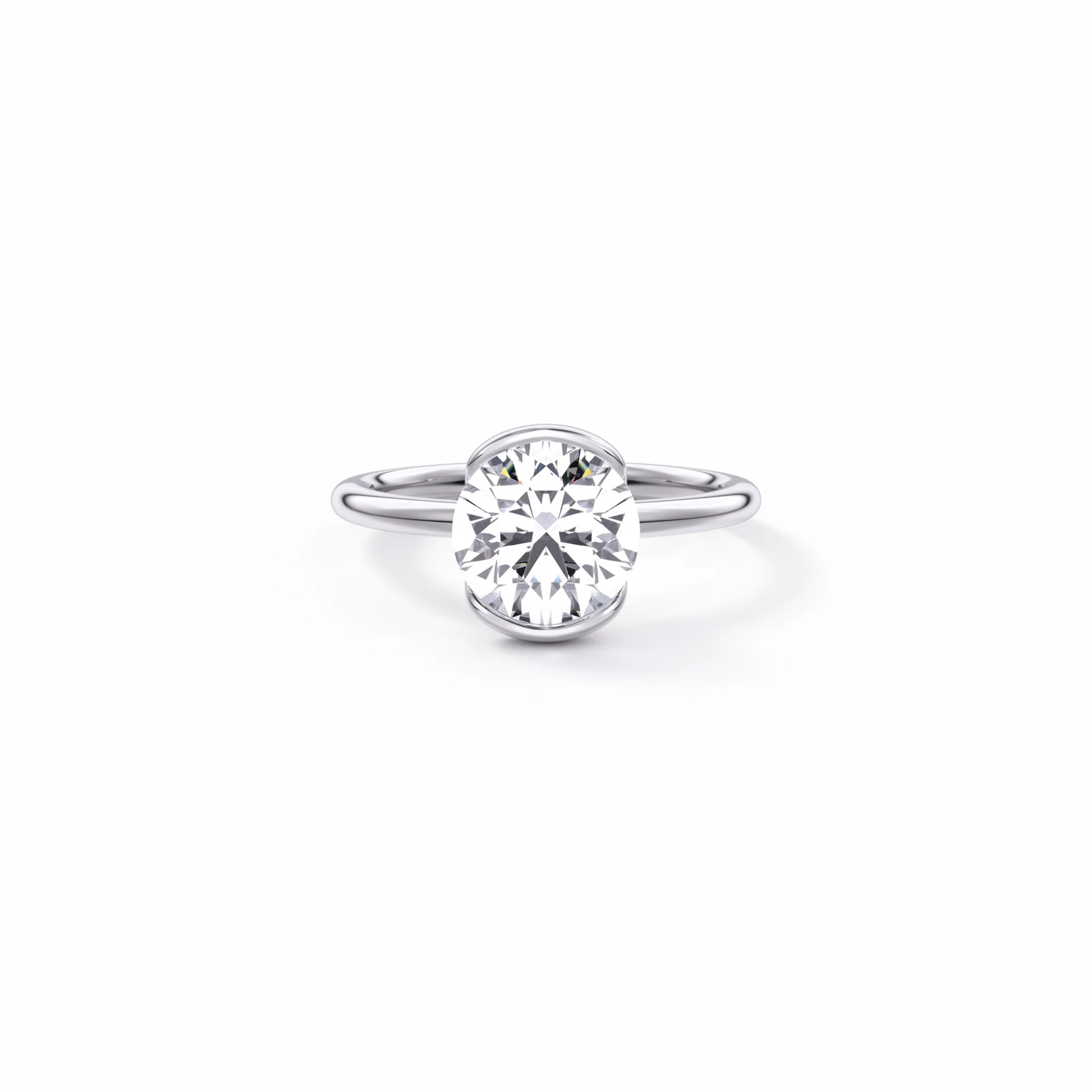
A single stone, showcased by a discreet band or chain. It is the most pared-back form, and so the one in which a stone is best judged: nothing hides its cut, its symmetry or its brilliance. As a ring, the solitaire is the engagement classic; as a pendant or stud earrings, it is the piece you never take off.
The halo
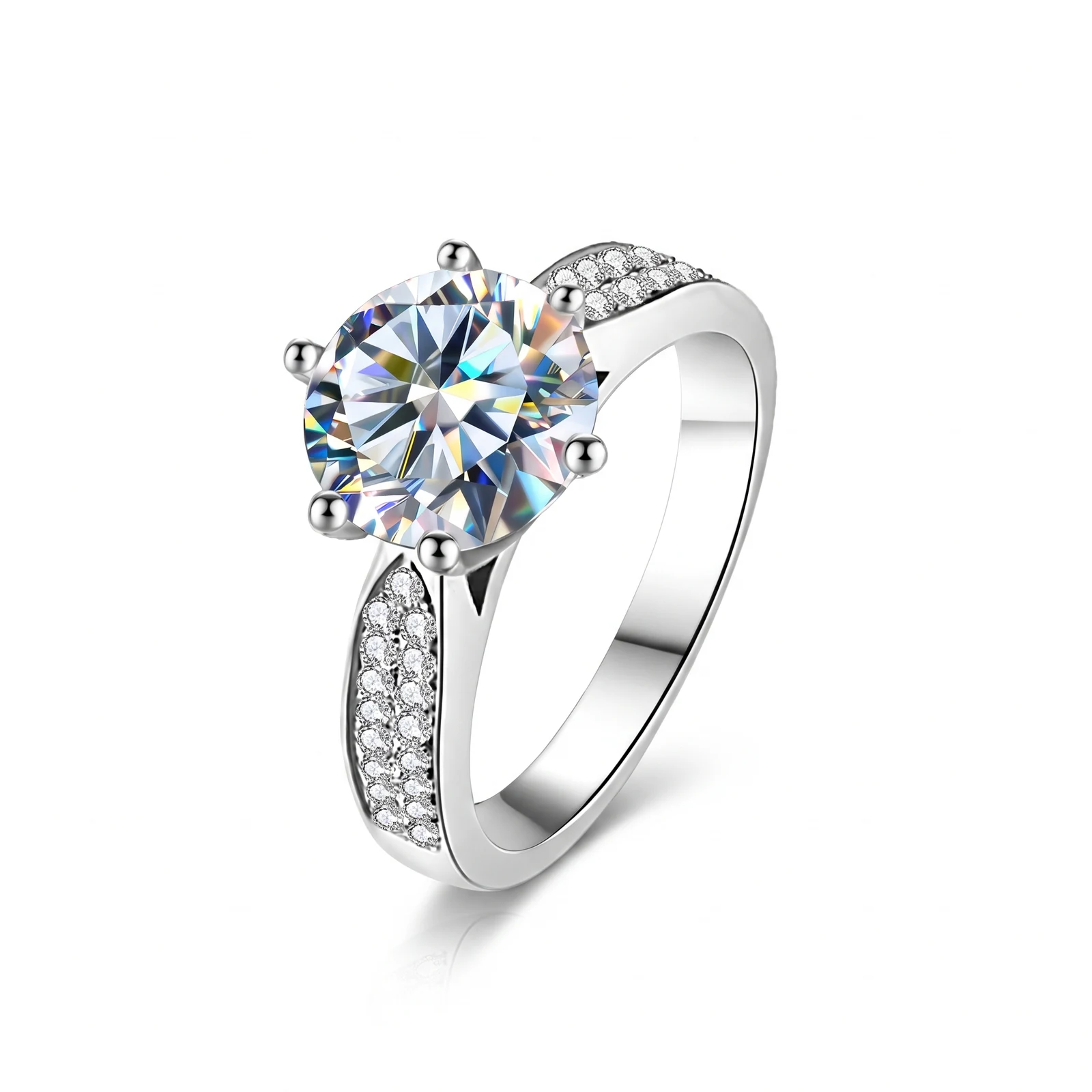
The centre stone is surrounded by a circle of small stones. The effect is twofold: the whole looks larger than the stone alone, and the small stones send light back towards the centre. A halo gives a stone of modest size real presence; in return, it asks for a little more care, as the small stones hold more dust and soap.
The trilogy
Three stones in a row, the middle one usually the largest. Many see a symbol in it — yesterday, today, tomorrow — but above all it is a balance: the eye glides from one stone to the next instead of resting on just one.
The rivière
A continuous line of stones of the same size, on a bracelet or a necklace. The word comes from the effect it creates: a thread of light that follows the movement of the wrist or the neck. The width of the stones changes everything; a 3 mm rivière is worn every day, a 5 mm rivière is noticed from afar.
And the wedding band?
A wedding band is a ring with no centre stone. It may be plain, or set with stones halfway round (half-eternity) or all the way round (full eternity). A practical point: a band set all the way round cannot be resized afterwards, so it must be ordered in the right size.