Stones · 6 min read
Moissanite or diamond: the real differences
It isn't a diamond, and it isn't an imitation either. Hardness, brilliance, price, how it lasts over time: what truly sets the two stones apart.
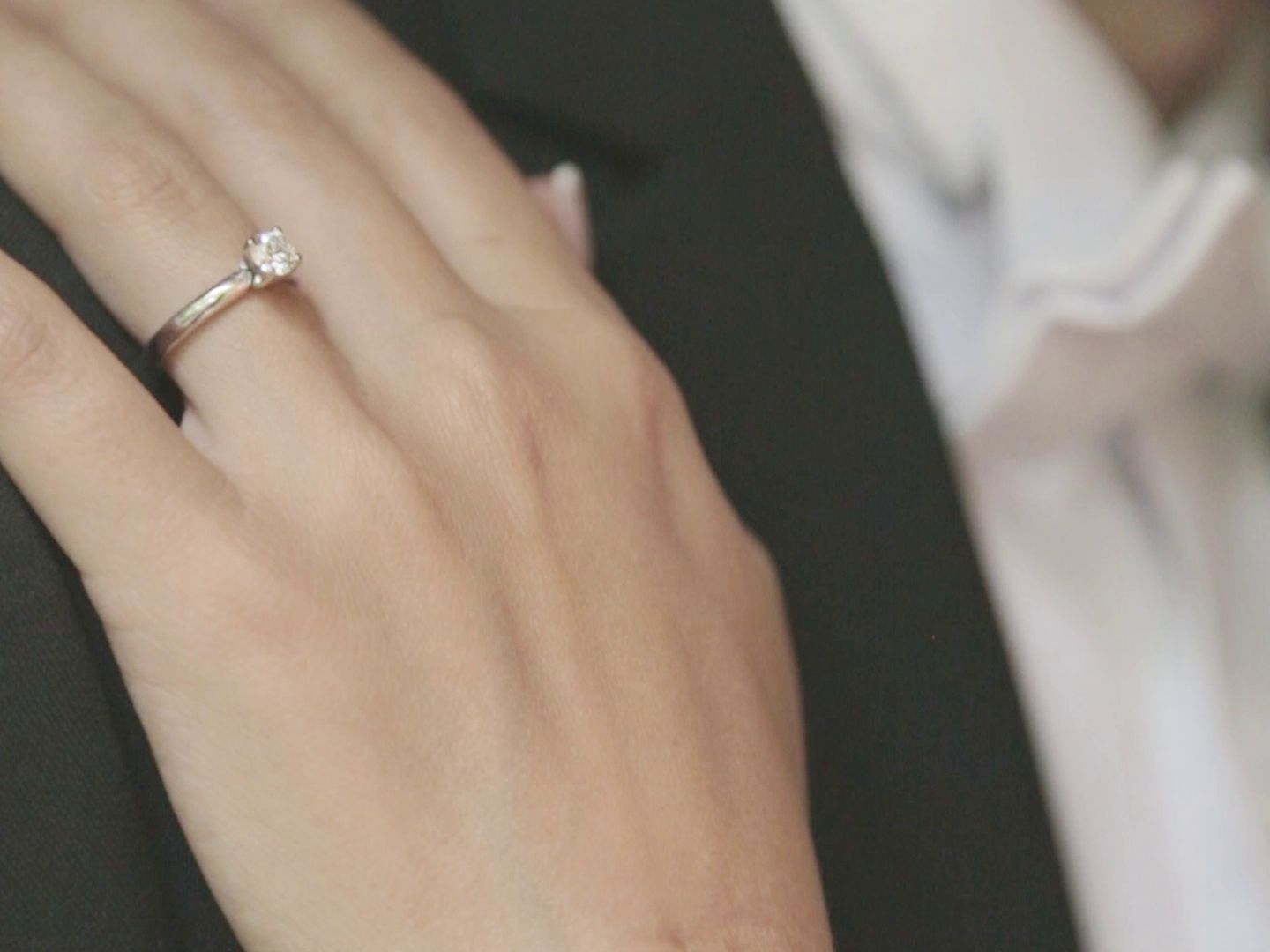
Moissanite is not a diamond. It is silicon carbide, a stone in its own right, made today in a laboratory because it is exceedingly rare in nature. It is chosen for what it is: a very hard, very brilliant stone, and far less expensive than a diamond of the same size. Here is what you need to know to compare them honestly.
Where does it come from?
The French chemist Henri Moissan identified it in 1893 in fragments of a meteorite that had fallen in Arizona — hence its name. Natural crystals are tiny and far too rare for jewellery: all the moissanite that is worn is created in a laboratory. It is therefore a synthetic stone, and it should always be presented as such.
Hardness: 9.25 versus 10
On the Mohs scale, which ranks minerals by their resistance to scratching, diamond stands at 10, moissanite at 9.25 and sapphire at 9. In practice, almost nothing you come across in daily life can scratch it. This is what sets it apart from cubic zirconia (around 8 to 8.5), which dulls and scratches over the years.
Brilliance: more fire than diamond
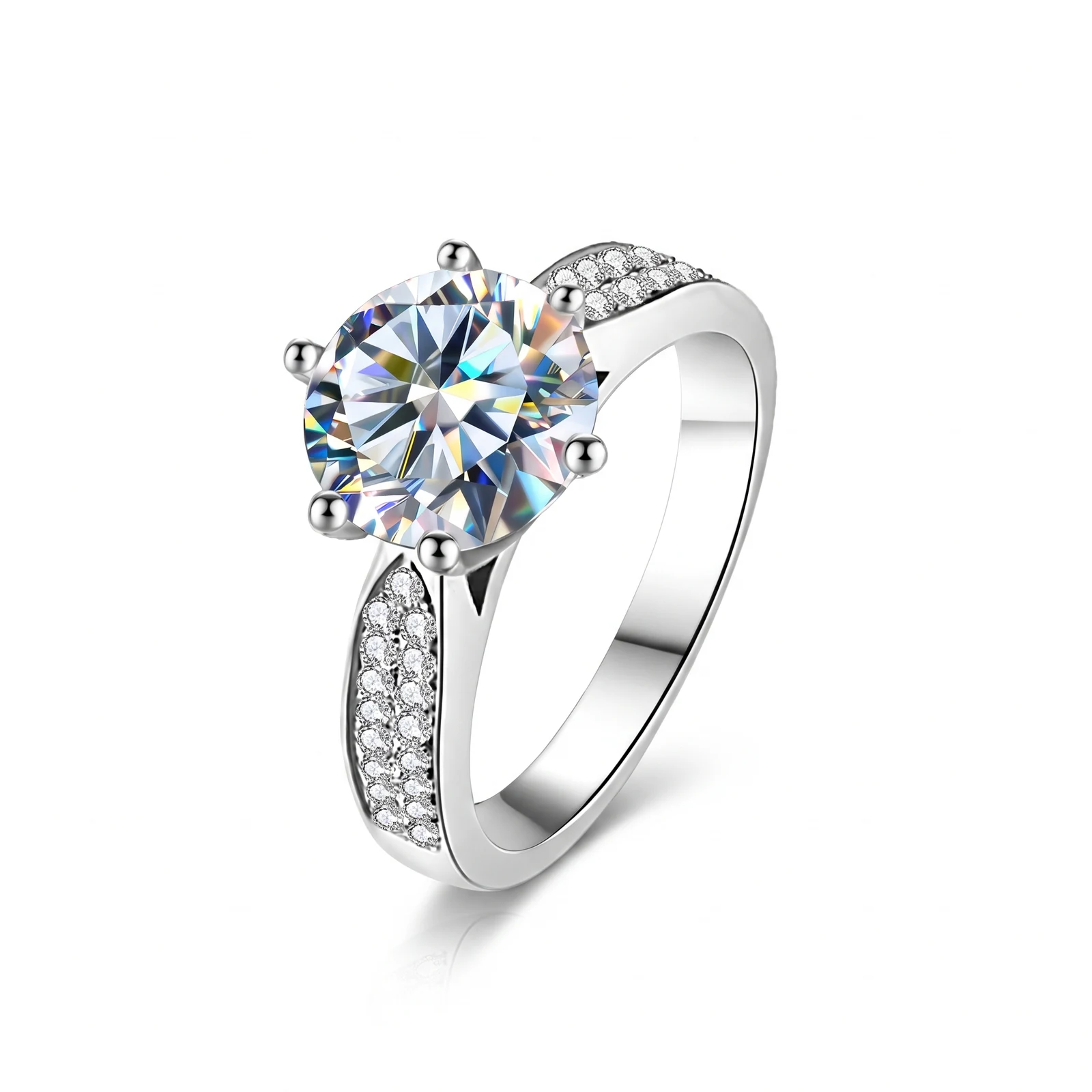
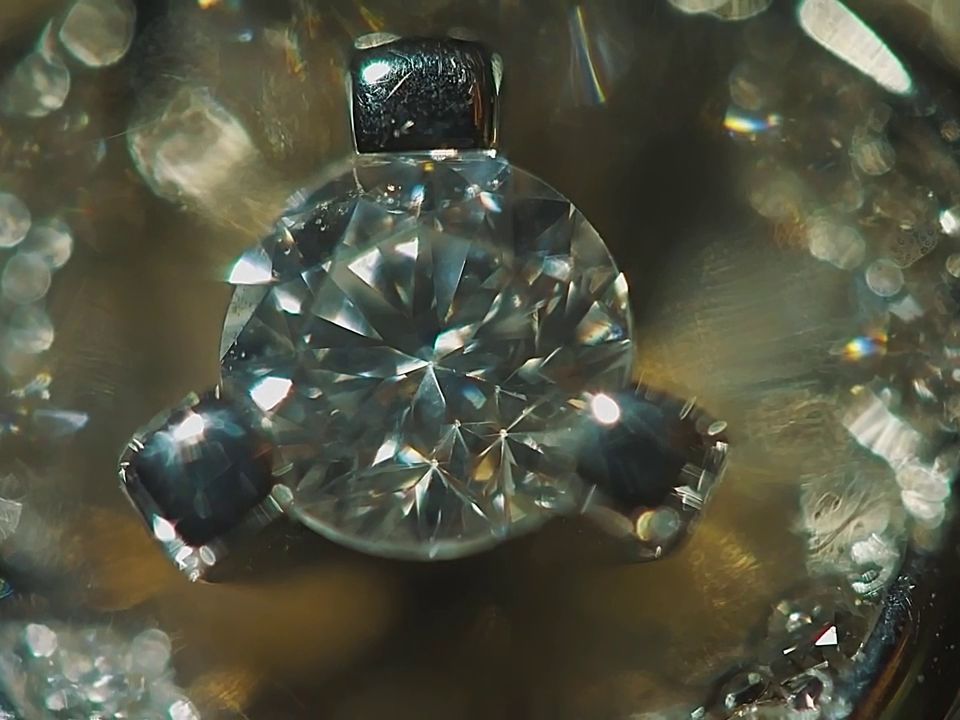
Moissanite disperses light more than diamond does: it sends back more flashes of colour, the rainbow "fire" you see in sunlight or under a spotlight. Some people love it; others find the effect too vivid on larger stones. On a stone of one carat or less, the difference from a diamond is hard to see with the naked eye; above two carats, a trained eye will notice it.
Colour and clarity
Today's moissanites are most often described as colourless ("D" to "F" on the scale used for diamonds) and very pure ("VVS"). These grades come from the stone's manufacturer: they give a reliable indication, but they do not carry the weight of a diamond certificate issued by a major gemmological laboratory.
Price
This is the clearest difference. For the same size, a moissanite costs a small fraction of the price of a natural diamond. This lets you choose the stone size you truly love, or put your budget towards a gold setting rather than the stone.
What it is not
A standard diamond tester may mistake it for a diamond; a suitable tester tells them apart in a few seconds: a jeweller will always be able to say what you are wearing. Nor does a moissanite have the resale value of a diamond. You buy it to wear it, not as an investment.