Metals · 6 min read
925 sterling silver, gold-plated silver, solid gold: which metal to choose?
Three metals, three budgets, three ways of ageing. What fineness and hallmarks mean, and the care each metal needs.
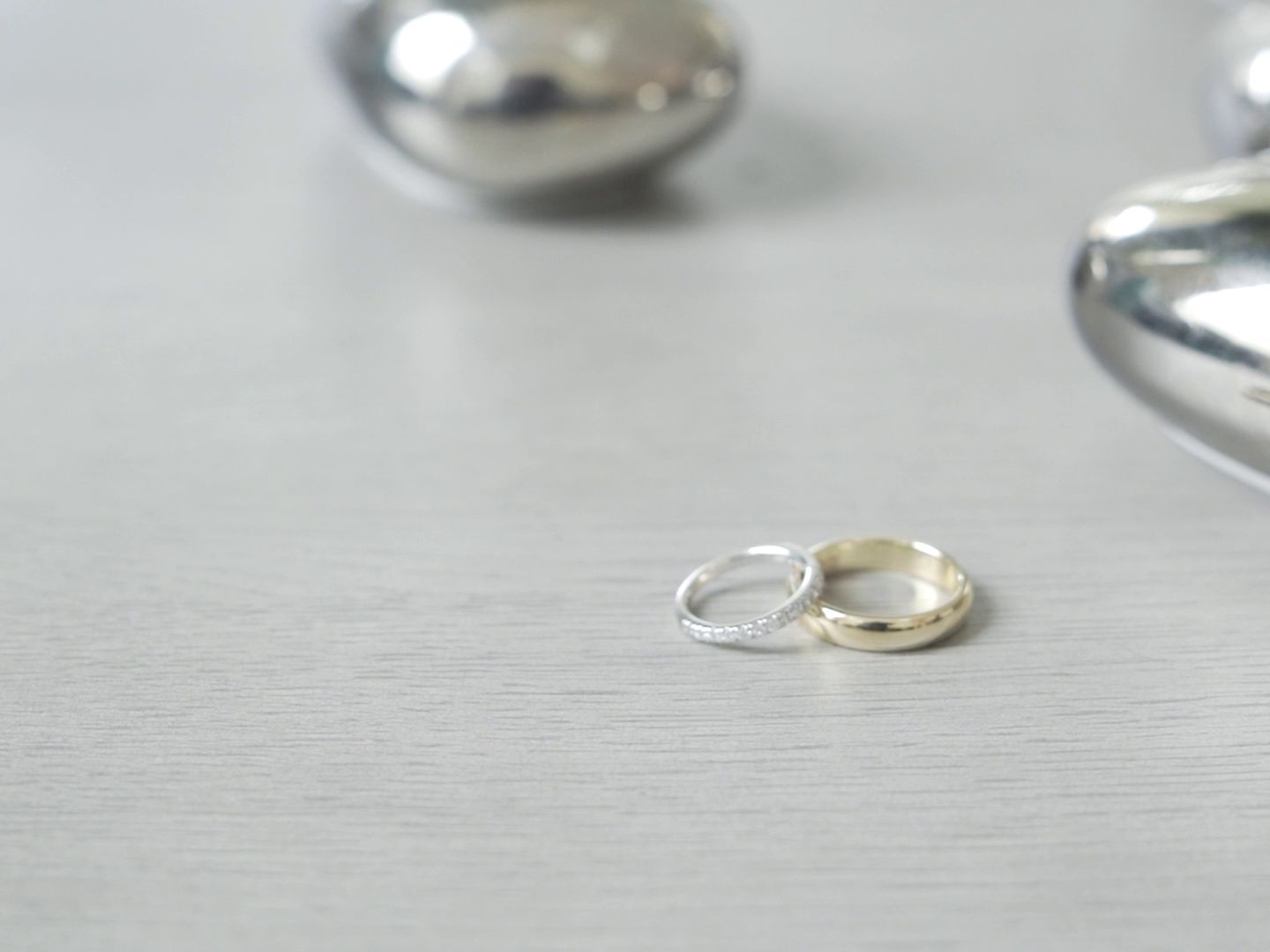
The stone catches the eye, but it is the metal that determines how long a piece of jewellery lasts. Before choosing, it helps to understand three words you see everywhere: fineness, plating and hallmark.
Fineness: the share of precious metal
Fineness is expressed in parts per thousand. 925 sterling silver contains 925 parts per thousand of pure silver, or 92.5%; the rest is most often copper, which gives it strength, as pure silver is too soft for jewellery. For gold, 750 parts per thousand corresponds to 18 carats, 585 to 14 carats and 375 to 9 carats. The higher the fineness, the more gold the piece contains — and the more expensive it is.
Solid 925 sterling silver
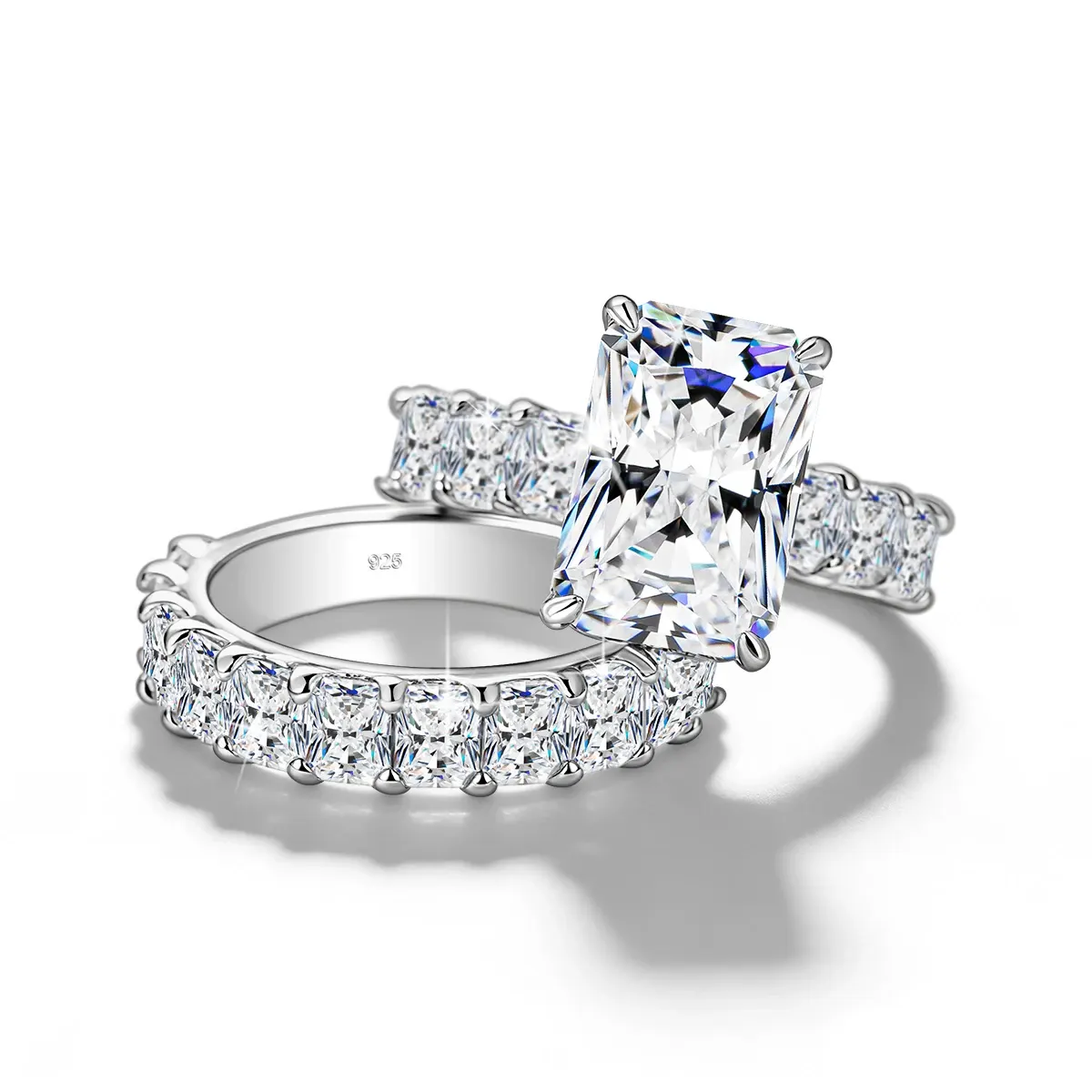
It offers the best balance between price and the nobility of the metal. It suits most skin types and is easy to repair. Its only drawback: it darkens on contact with air and sulphur. This is not a flaw, it is its nature, and a soft cloth is enough to restore its shine. Many silver pieces receive a thin layer of rhodium, a metal of the platinum group, which delays this tarnishing and gives them the whiteness of white gold.
Gold-plated silver
A layer of gold is applied over a 925 sterling silver base: the piece takes on the colour of yellow or rose gold for a much lower price. Beneath the gold plating, it remains solid silver, not an ordinary metal. The plating itself wears: on a ring worn every day, it grows paler at the points of friction within a few months to a few years. A jeweller can renew it. French regulations give these words a precise meaning: “plaqué or” (heavy gold-plated) requires at least three microns of gold, and “vermeil” means silver covered with at least five microns. Each product page states what applies to the piece in question.
Solid gold
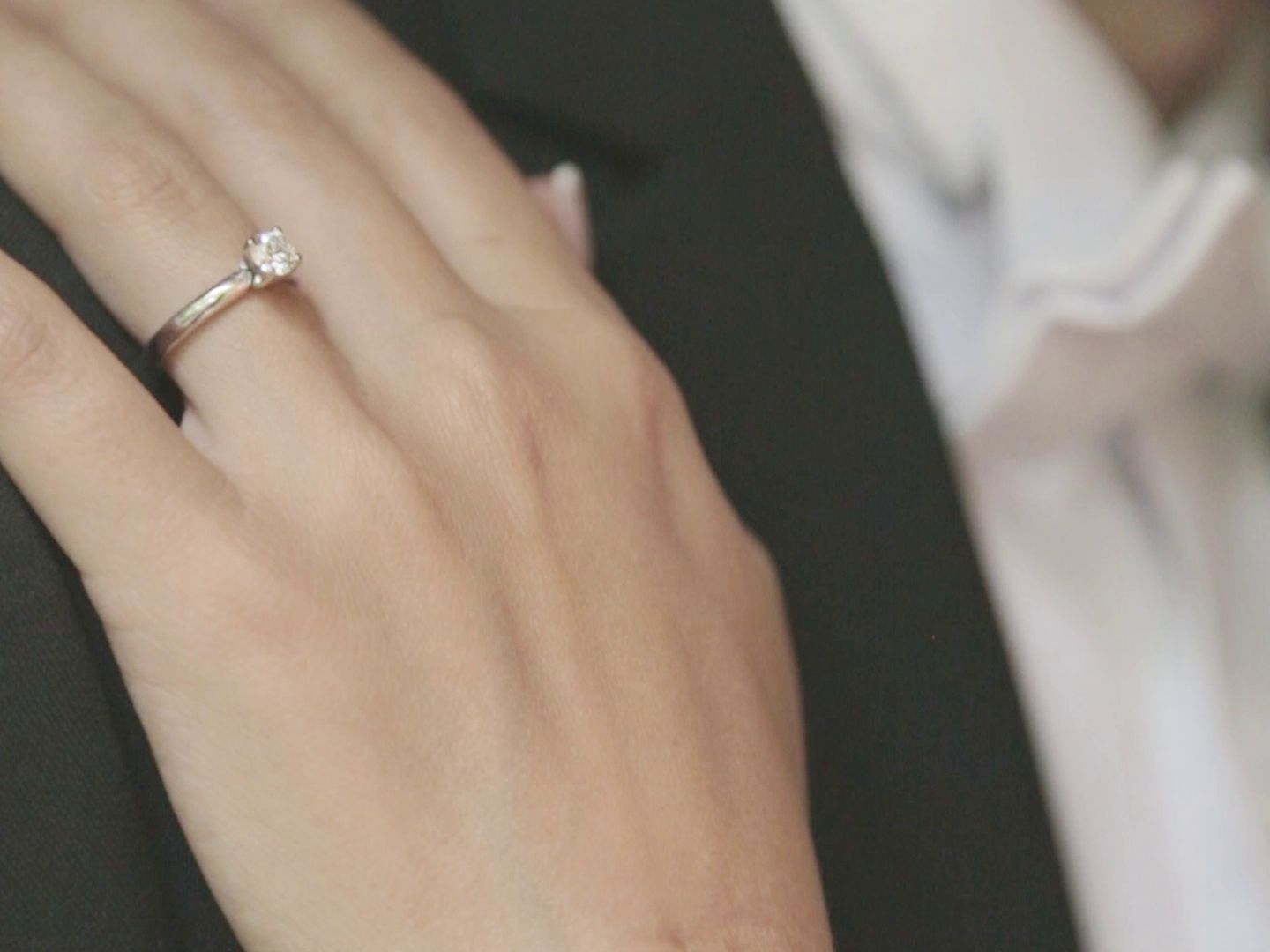
Gold does not darken, does not wear at the surface, and can be passed down. In 14 or 18 carats, it is yellow, rose or white depending on the metals it is alloyed with. It is the choice for a ring you will wear every day for decades — an engagement ring, a wedding band. It is also, by far, the most expensive of the three.
So, which one?
For a piece you wear often and want white: rhodium-plated 925 sterling silver. For the colour of gold at a small price, on a necklace or earrings that see little friction: gold-plated silver. For a ring to wear every day, for a lifetime: solid gold. The "Metal" line on each product page states precisely what you are buying.