Stones · 6 min read
Moissanite, cubic zirconia, synthetic diamond: three stones not to be confused
All three are colourless, brilliant and created in a laboratory. They do not have the same hardness, the same brilliance or the same price.
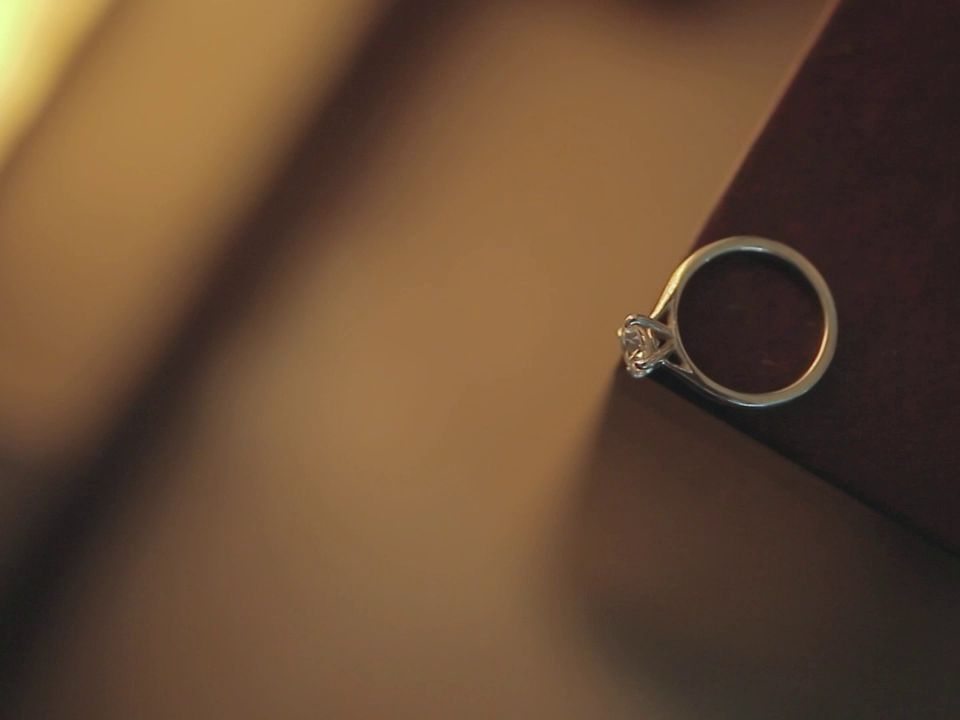
In a display case, they are hard to tell apart. Yet they are three different materials, and the difference shows over time far more than at first glance.
Zirconium oxide, or cubic zirconia
It is the most widespread and the least expensive. Its hardness is 8 to 8.5 on the Mohs scale: enough for a jewel, not enough to stay intact for years on the finger. Worn every day, a cubic zirconia ends up with fine scratches and loses its brilliance; it also dulls more quickly in contact with creams and soap. It is very well suited to a jewel worn from time to time, and it should be sold for what it is.
Moissanite
It is silicon carbide. With a hardness of 9.25, it sits just behind diamond: in everyday wear it is practically scratch-proof and keeps its polish. It disperses light more than diamond does, which gives it very vivid flashes of colour, especially in sunlight — some see this as its charm, others find it showier than a diamond. It costs considerably more than cubic zirconia, and very considerably less than a diamond.
Synthetic diamond
It is diamond: crystallised carbon with a hardness of 10, identical in every respect to a mined diamond, but created in a laboratory. Only specialised equipment can tell it apart from a natural diamond. It costs less than a natural diamond, and far more than a moissanite. French regulations require it to be described as a “diamant de synthèse” or “diamant synthétique” (synthetic diamond) — never simply as a “diamond”.
How to tell them apart?
To the naked eye, it is difficult. A jeweller has testers: one measures thermal conductivity and rules out cubic zirconia; another, electrical, distinguishes moissanite from diamond. For the buyer, the surest guide remains the jewel's description and the laboratory report: a GRA report accompanies a moissanite, an IGI or GIA report a diamond.
Which one to choose?
For a ring you will wear every day for years — an engagement ring, a wedding band — moissanite offers lasting wear at a price that lets you choose the stone size you love. Cubic zirconia has its place in quality fashion jewellery. Synthetic diamond is for those who care about diamond as a material in itself. In our shop, every stone is named for what it is.