Stones · 4 min read
Carats and millimetres: which stone size to choose?
The carat measures weight, not size. What 0.5, 1 or 2 carats look like on a finger, and why moissanite is measured in millimetres.
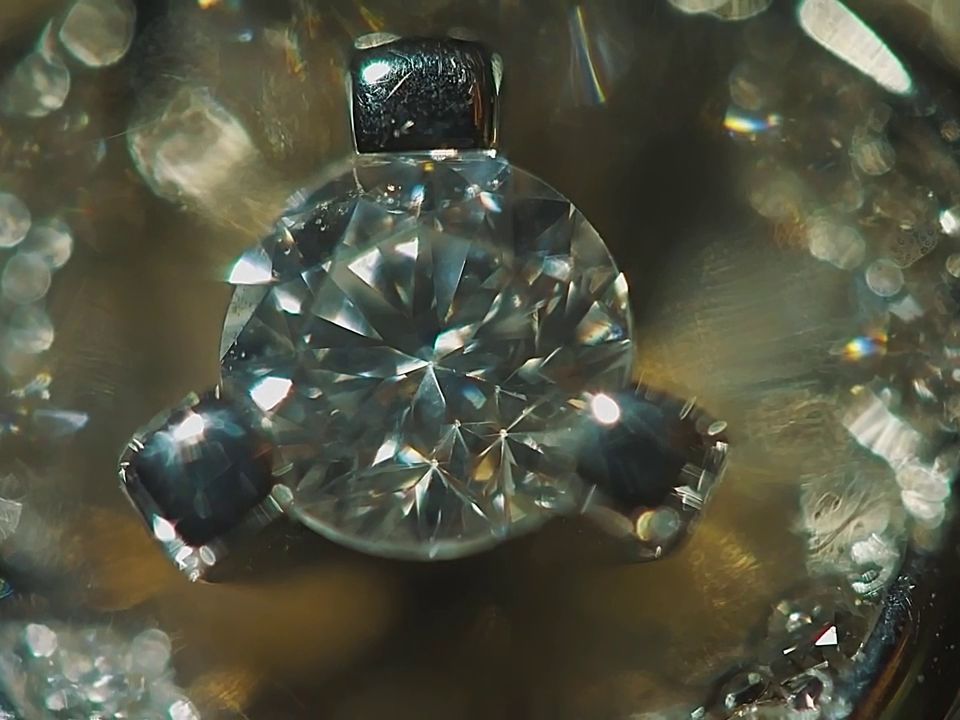
We speak of carats out of habit, but the carat is a unit of weight: 0.2 grams. What you see on the hand is a diameter. And with moissanite, it is precisely the diameter that matters.
Why “carat equivalent”
Moissanite is slightly less dense than diamond: a stone of the same diameter weighs around 10 to 15% less. To keep the comparison simple, jewellers therefore describe a moissanite's size by the weight of a diamond of the same diameter. A 6.5 mm round moissanite is called “one carat” because a 6.5 mm diamond weighs one carat.
A guide, for a round stone
0.5 carat corresponds to a diameter of around 5 mm; 0.8 carat to 6 mm; 1 carat to 6.5 mm; 1.5 carats to 7.5 mm; 2 carats to 8 mm; 3 carats to 9 mm. Going from one to two carats therefore doesn't double the visible size: the diameter grows by only a quarter.
On the finger
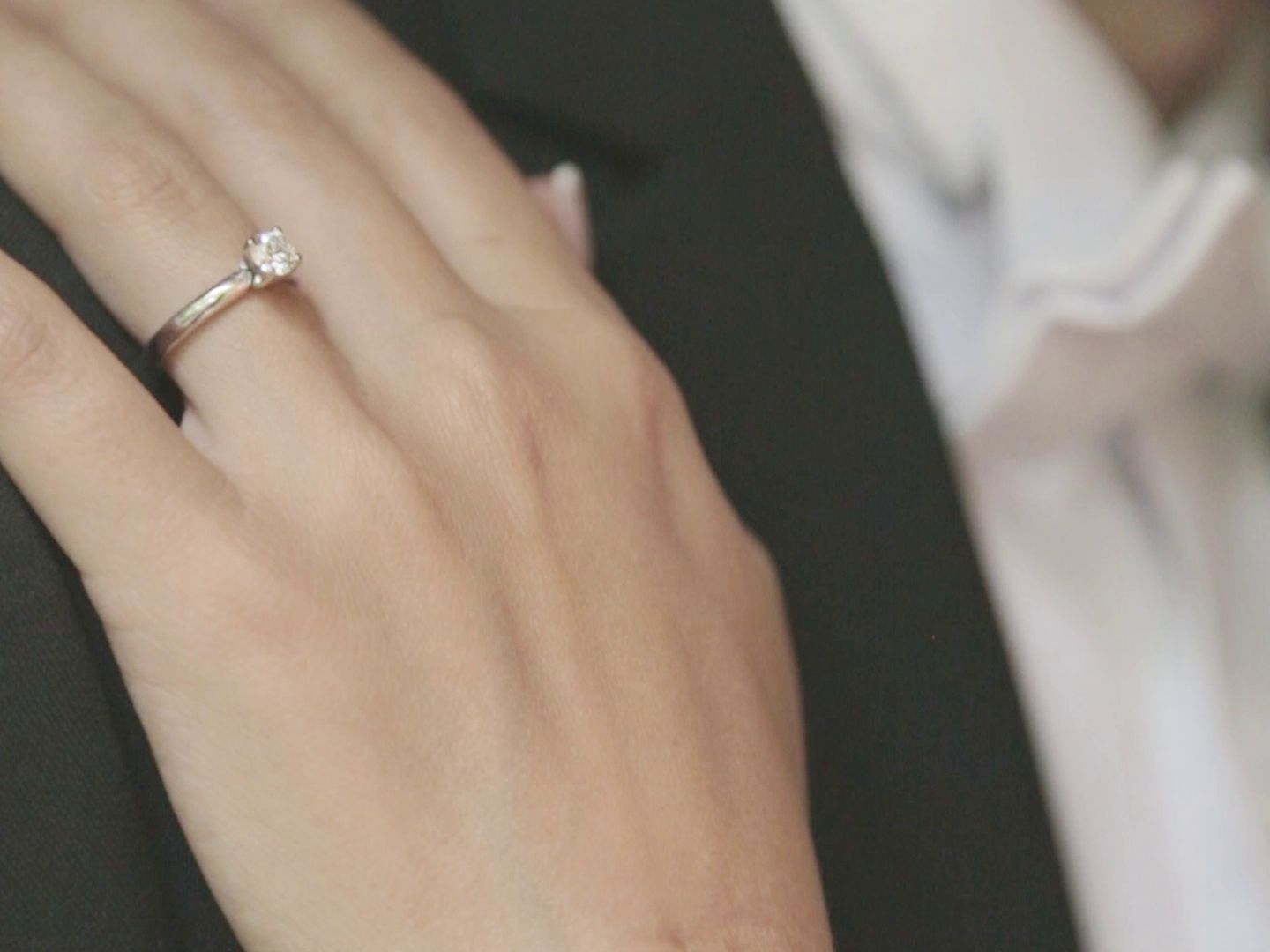
A 5 mm stone is discreet and can be worn every day without catching. At 6.5 mm, you have the classic solitaire, the one that comes to mind when you picture an engagement ring. From 8 mm, the stone takes centre stage: it suits long hands or an evening ring better. On a slender finger, a stone always looks larger.
Shape changes everything
For the same weight, an oval, pear or marquise stone covers more surface than a round one and lengthens the finger. An emerald or cushion cut looks more understated. The round brilliant remains the one that returns the most light.
For earrings
The stated weight is usually that of each stone, sometimes that of the pair: the product page says which. 5 mm studs are for everyday wear; at 6.5 mm, they are clearly noticed.