Metals · 5 min read
What is 925 sterling silver? Composition, quality and care
Why 92.5% and not 100%, what separates solid silver from silver plate, why it tarnishes and how to keep it bright.
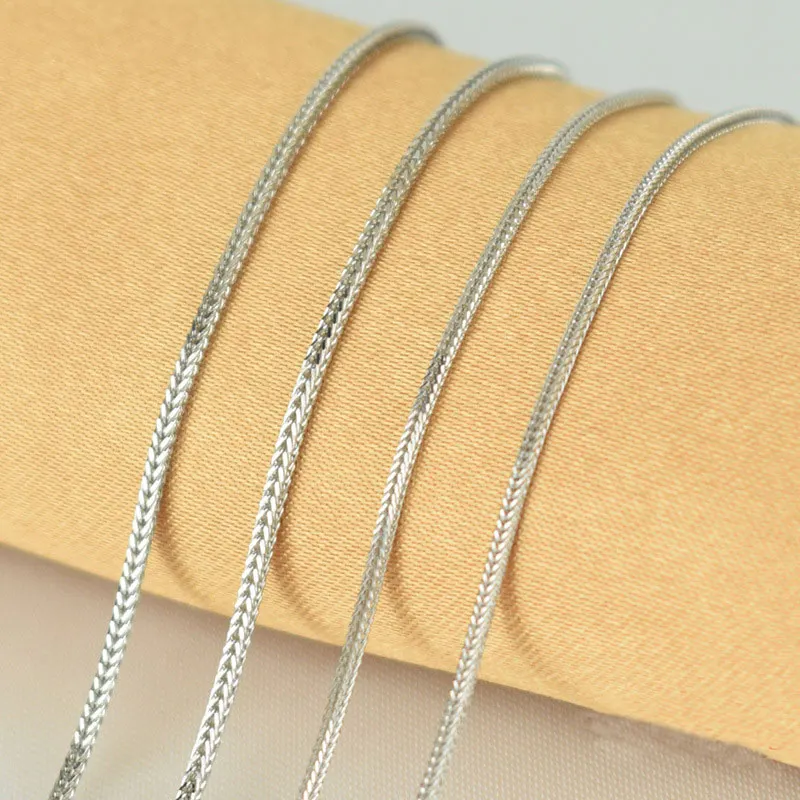
“925 sterling silver” is the most common description in jewellery. It refers to a precise alloy, the same the world over, and it is the quality of silver expected of a piece of jewellery.
A fixed composition
925 sterling silver contains 925 parts per thousand of pure silver, or 92.5% of its weight. The remaining 7.5% is another metal, most often copper. It is also called sterling silver or solid silver: all three terms refer to the same metal.
Why not pure silver?
Pure silver, at 999 parts per thousand, is too soft: a ring would lose its shape and a claw would let go of its stone. Copper gives it the hardness needed to hold a setting and withstand everyday knocks, without changing its white colour.
Solid silver or silver-plated
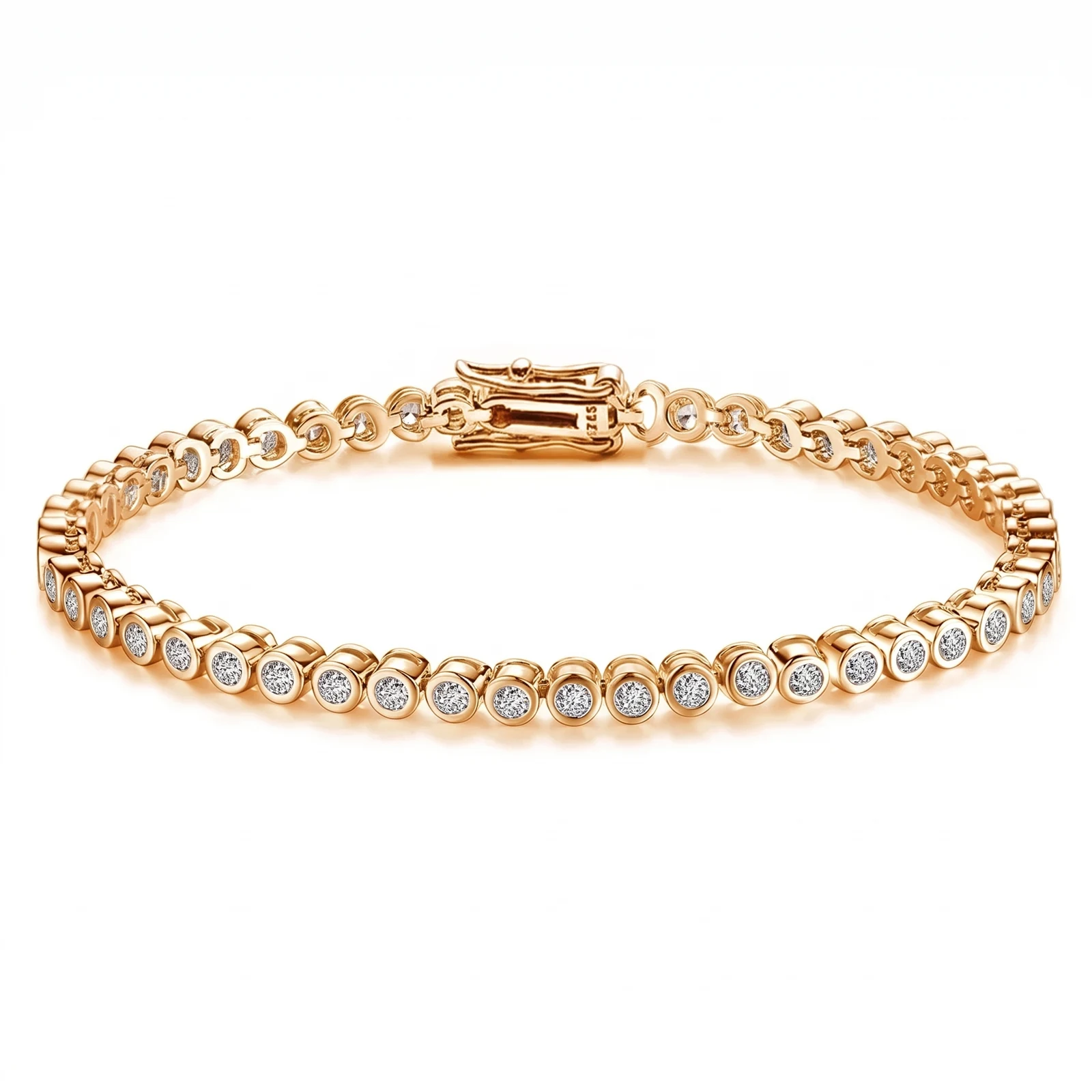
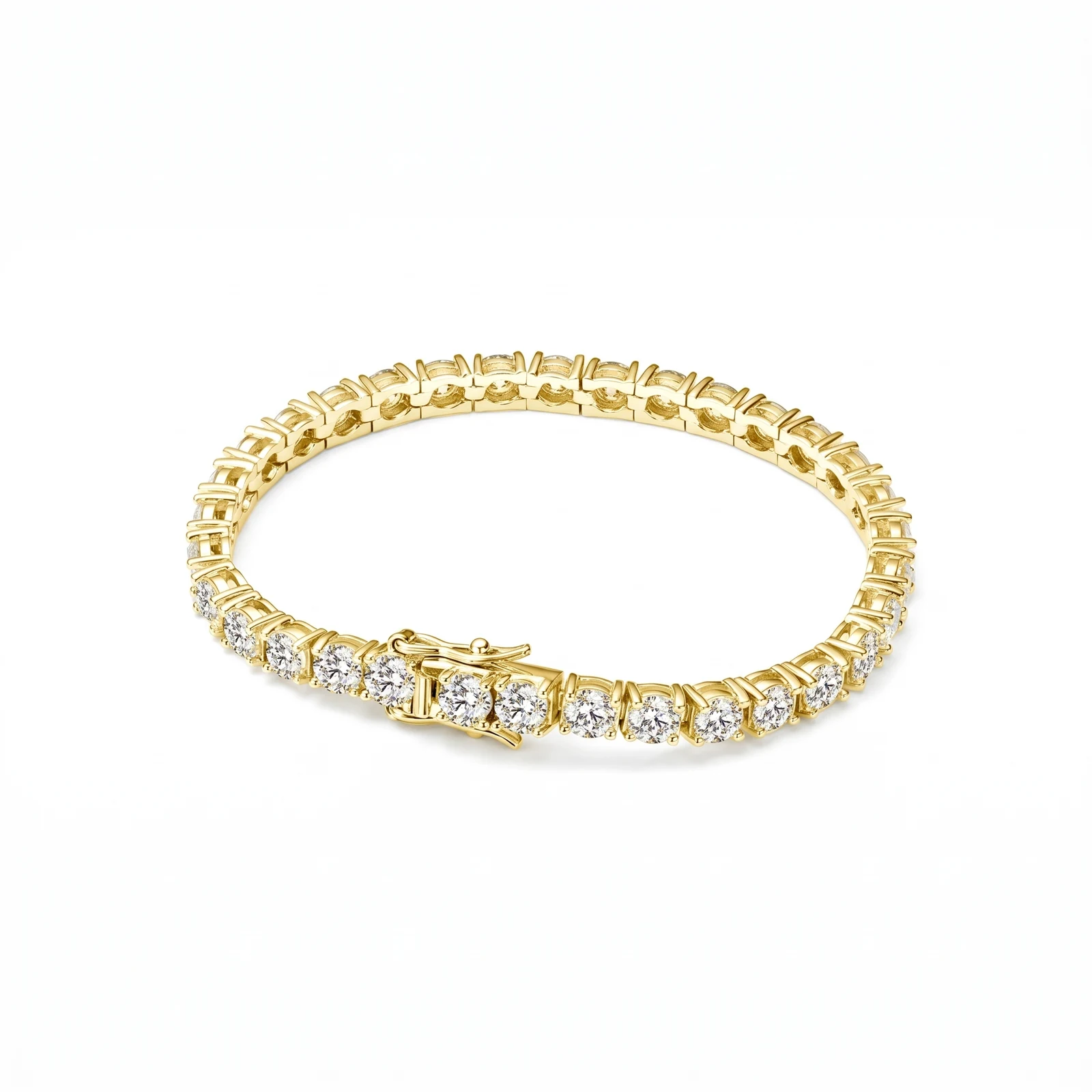
A piece in 925 sterling silver is silver through its whole thickness: if it gets scratched, there is still silver underneath, and it can be repolished indefinitely. A “silver-plated” piece is another metal covered with a thin layer of silver, which eventually wears away. Gold-plated 925 sterling silver is the reverse: solid silver covered with gold.
Why it tarnishes
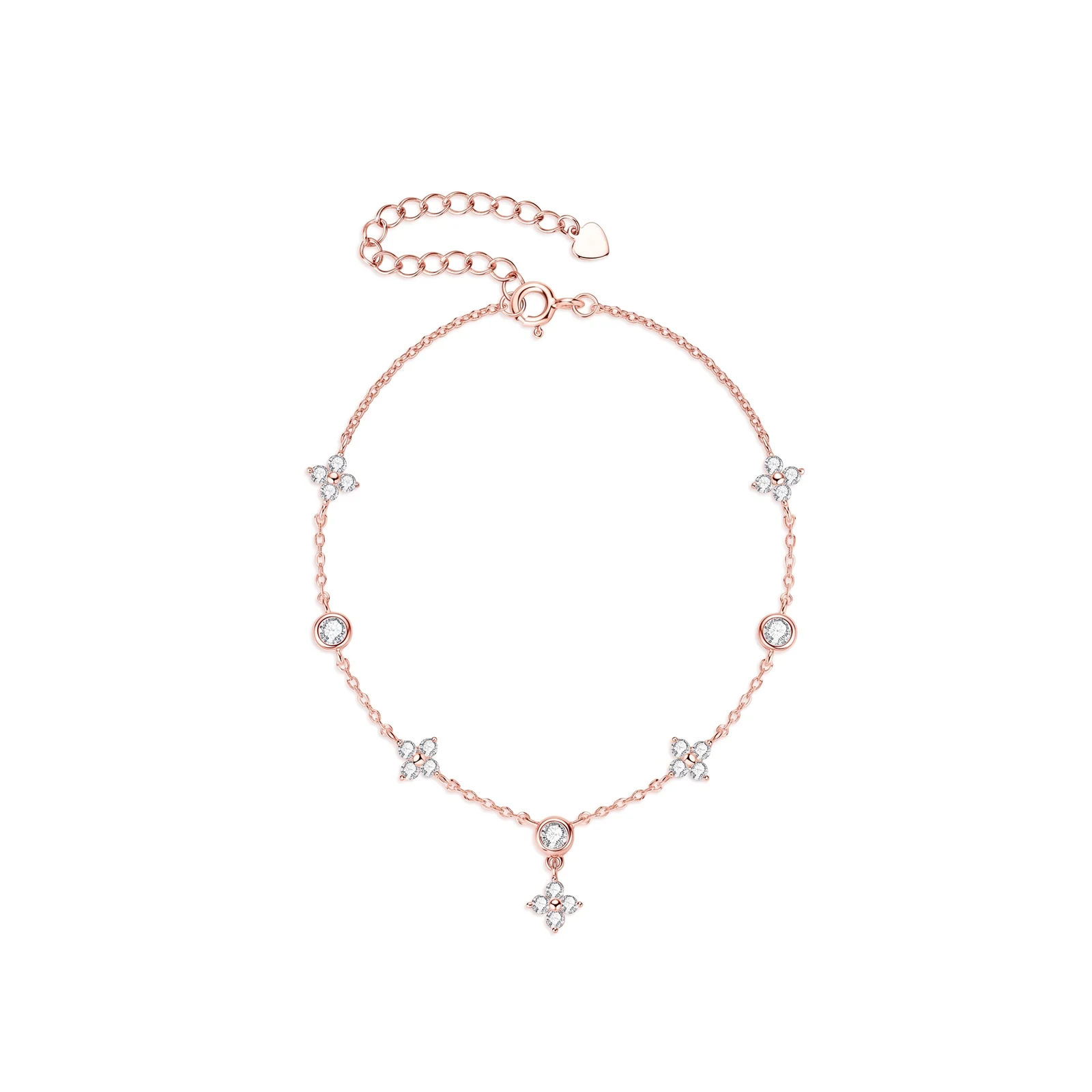
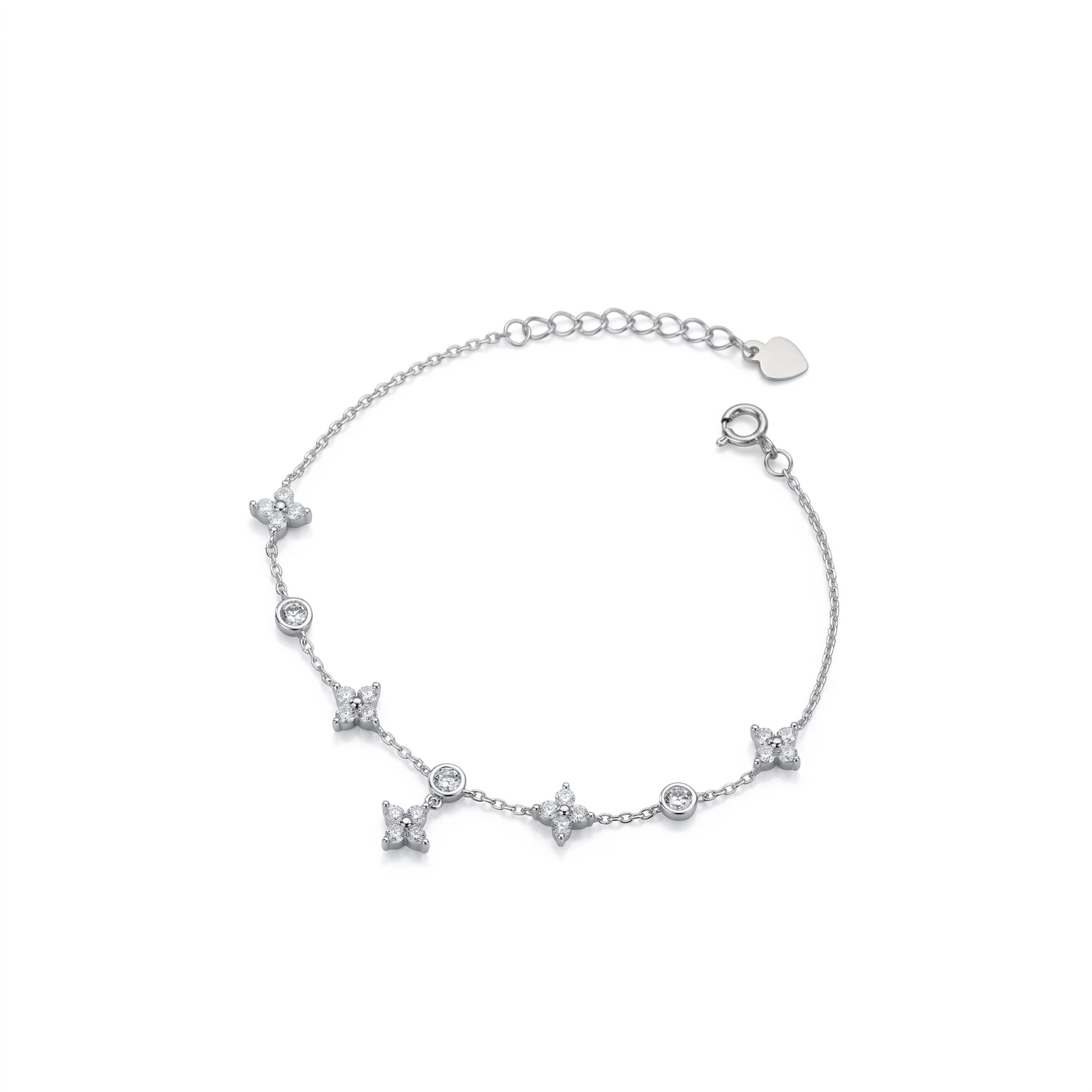
Silver reacts with the sulphur in the air, in perspiration and in some cosmetics: a fine dark film forms on the surface. It is neither wear nor a sign of poor quality, and it comes off with a silver cloth. Many pieces are given a layer of rhodium, a member of the platinum family, which markedly delays this tarnishing.
And sensitive skin?
Reactions to 925 sterling silver are uncommon. When they do occur, they most often come from another metal in the alloy or from a plating, rather than from the silver itself. If you have a known allergy to nickel or copper, ask us for the exact composition before ordering.
How to recognise it
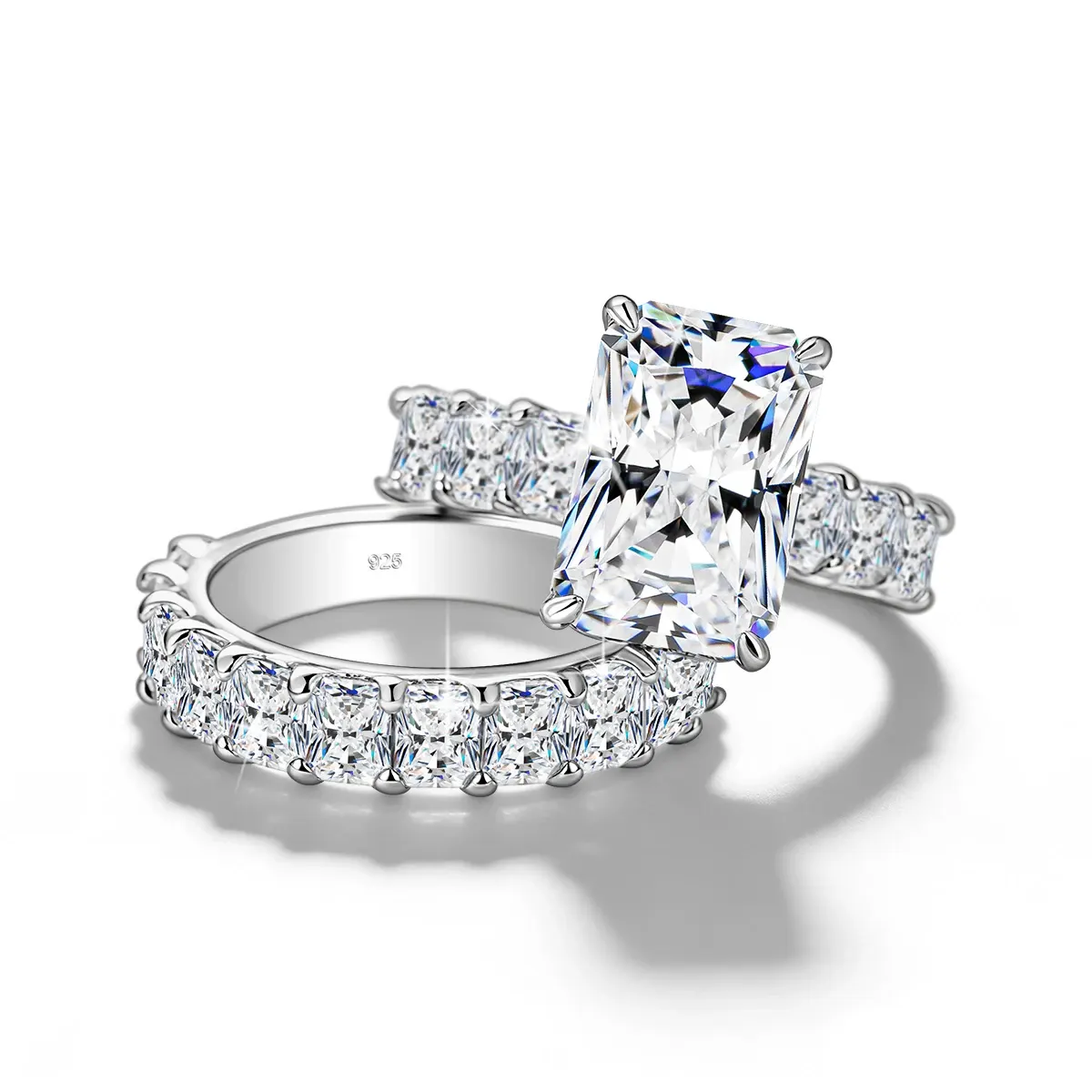
Look for the mark 925 or S925 on the piece; hold a magnet to it, which should not attract it. Our article on the 925 sterling silver stamp explains what each mark really guarantees.
Caring for it
Take your jewellery off for the pool, the sea and housework, and store each piece separately, in a closed pouch. A silver cloth is enough for the patina; avoid abrasive products on gold-plated or rhodium-plated pieces, as they would wear away the surface layer.