Guides · 4 min read
Promise ring: what it means, which finger, what price
A ring that says “I’m committed” without a marriage proposal: its meaning, the finger to wear it on, and what it is reasonable to spend.
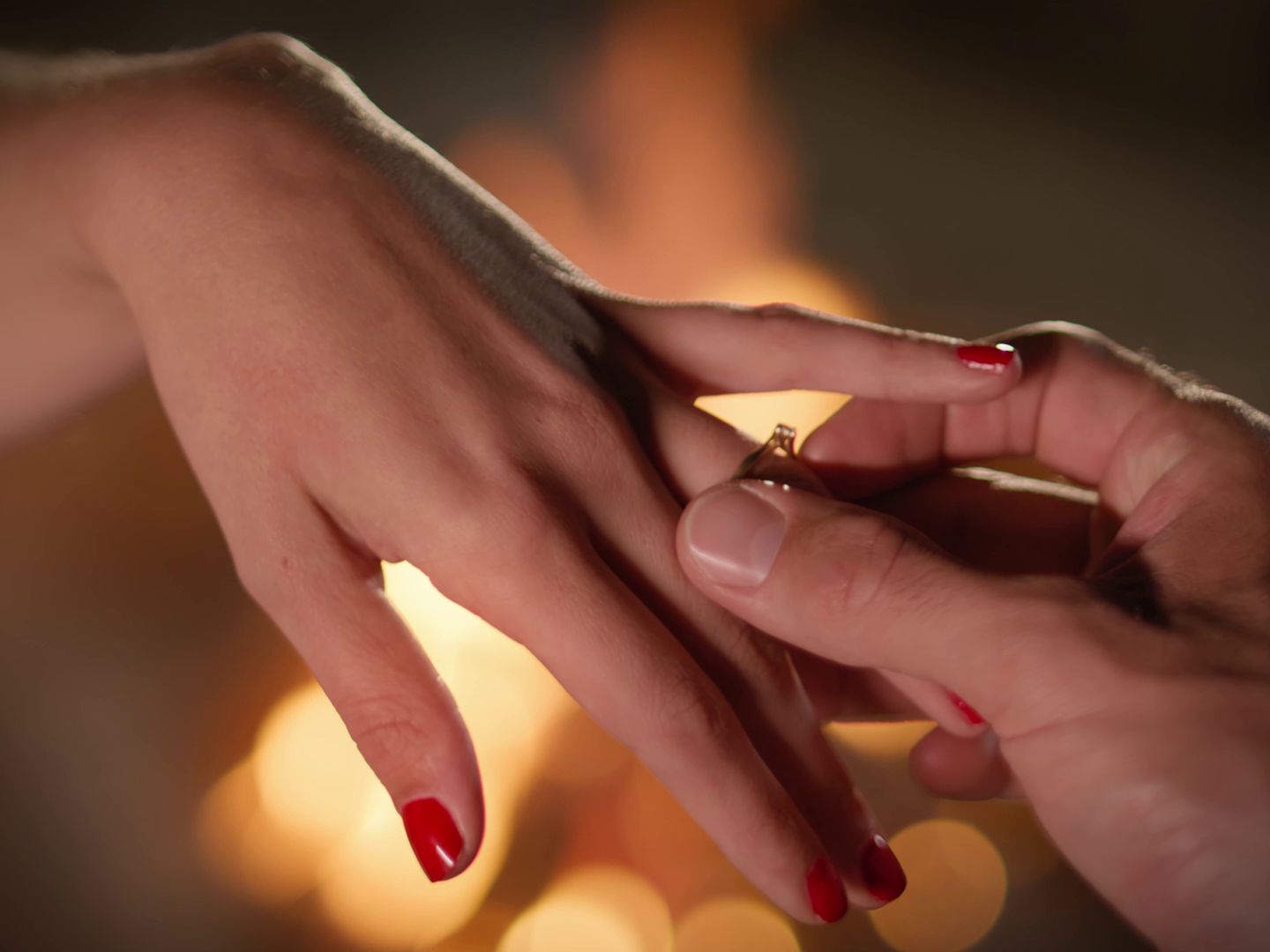
A promise ring is a commitment that sets no date. You give it when you know you want to share the road ahead, without being ready, or without wishing, to plan an engagement. It can come before an engagement ring, or take its place.
What it means
Nothing is set down, and that is its strength: a promise ring says whatever the couple decides it says. For some, it announces an engagement to come; for others, it is the promise to be together again after a long distance, or simply to carry on together. What matters most is to say it as you give it.
Which finger to wear it on
There is no fixed custom. The left ring finger is the most common, where an engagement ring may one day go; it then moves to the right hand, or the two are worn together. The right ring finger leaves the left hand free; the middle finger suits a wider ring.
Which ring to choose
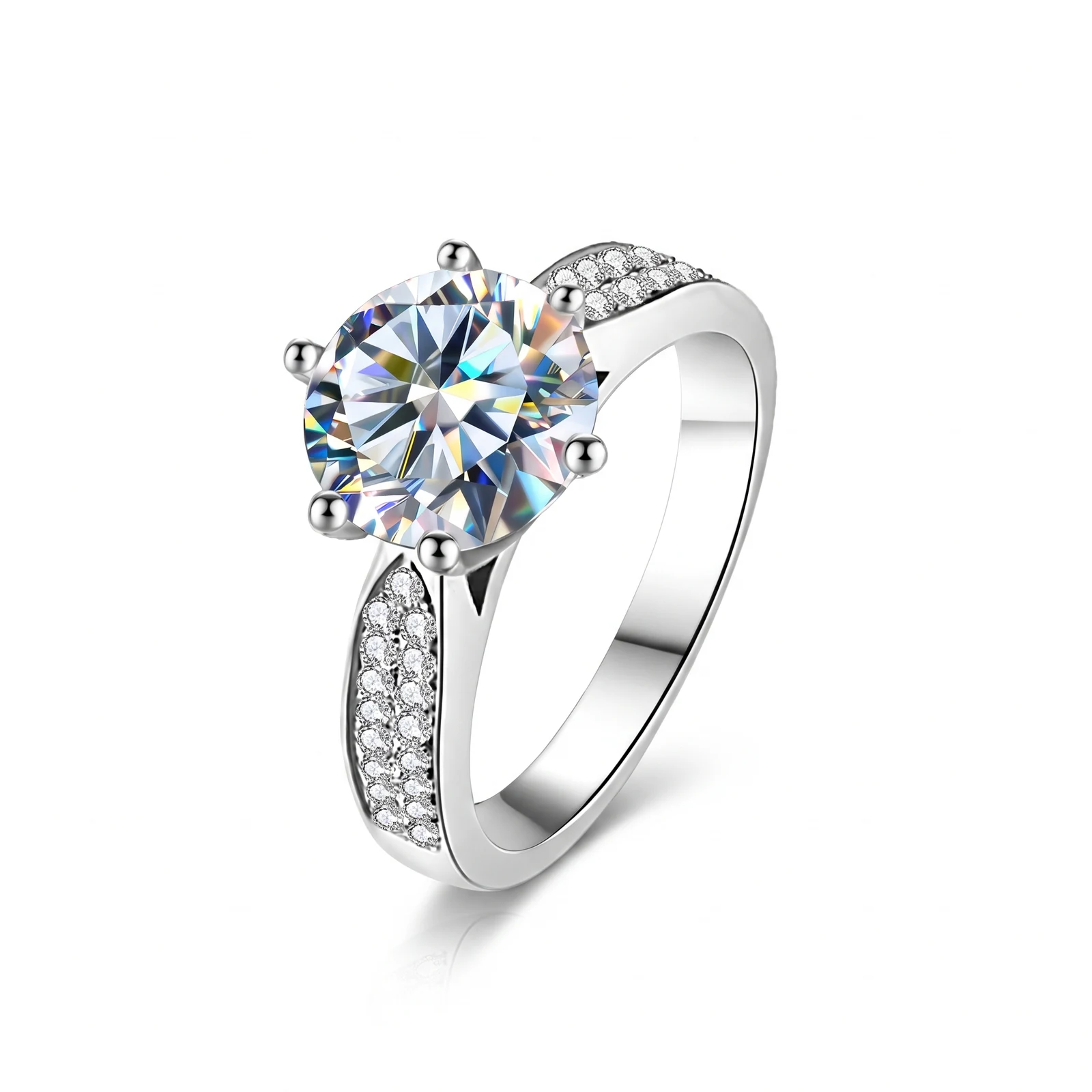
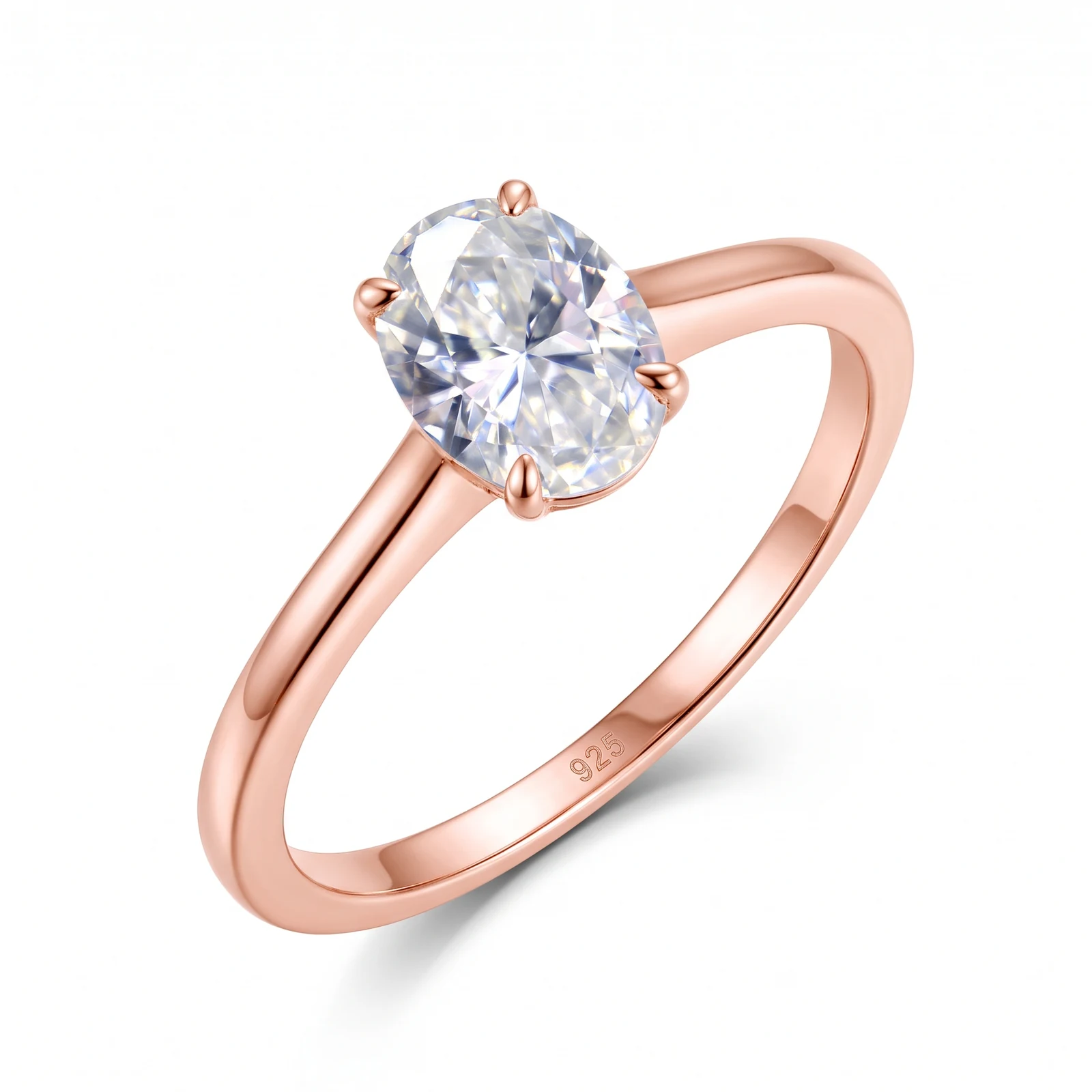
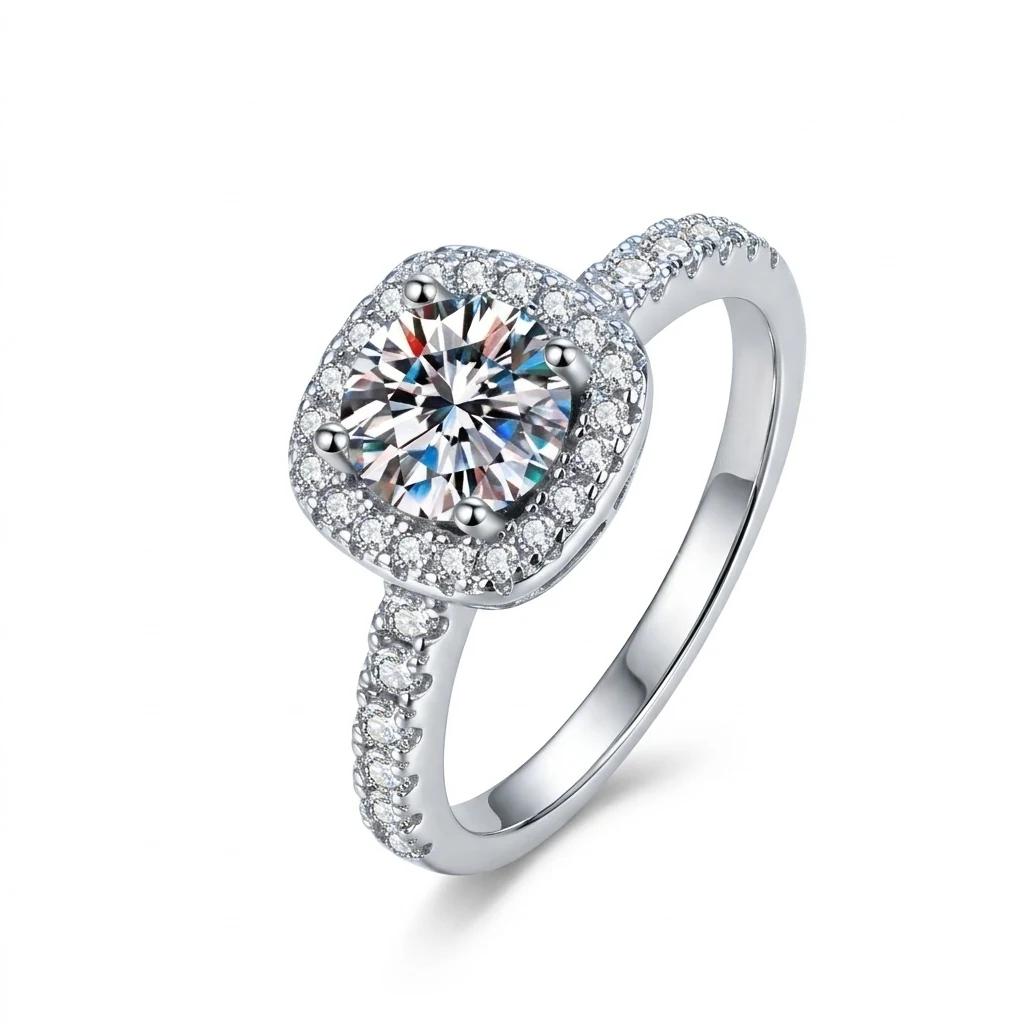
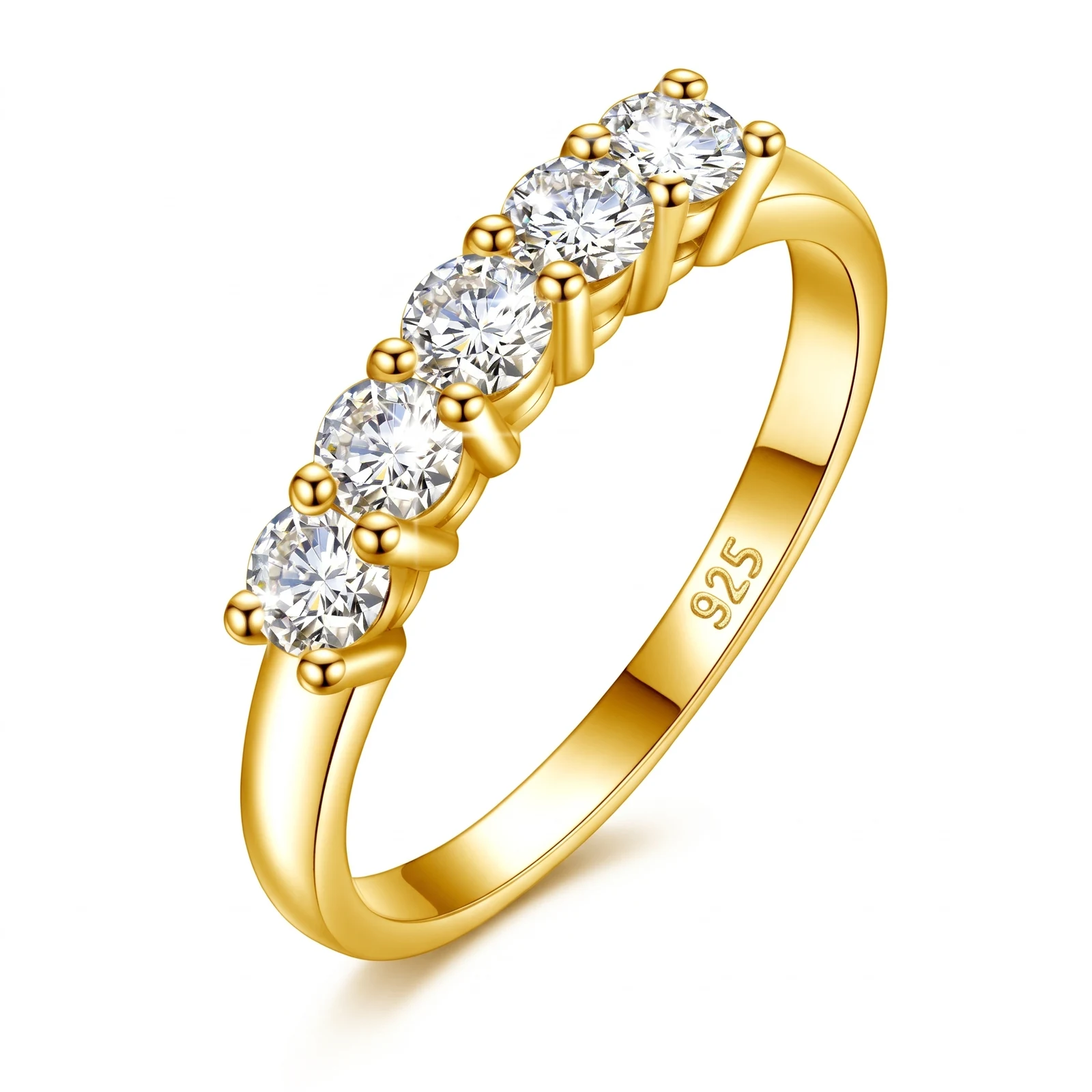
A promise ring is worn every day: a comfortable band and a low-set stone that doesn’t catch are best. A small solitaire, a half-eternity band or a slender trilogy ring are common choices. Moissanite suits it well: it hardly scratches at all and regains its sparkle with a simple clean.
What budget
There is no rule on price. A promise ring most often costs less than an engagement ring, since it doesn’t have to be the ring of a lifetime. Our “Promise rings” selection brings together moissanite rings at 130 € or less.
The right size, in secret
For a surprise, borrow a ring already worn on the same finger and measure its inside diameter: our size guide explains how. A plain band can be resized by a jeweller; a band set all the way round, with far more difficulty.
A ring for each of you
Some couples exchange two rings, one each. They needn’t be identical: the same metal or the same stone shape is enough to link them.